A Digital Exhibit
Tracking the total number of dog breeds from ancient history to the genetic future.
Begin the JourneyChapter I — Dogs Now
Where we stand today: hundreds of officially recognized breeds, a handful of household favourites, and millions of uncounted village dogs beyond the registries.
There is no single, authoritative count of dog breeds — only competing ledgers. Each major kennel registry draws its own boundaries around what qualifies as a "breed," and they rarely agree. A breed recognized in Brussels may be invisible in New York. The number you trust depends entirely on whose catalogue you read.
The pedigreed breeds tracked by registries are a fraction of the world's dogs. The vast majority are free-ranging village dogs and regional landraces — populations shaped by environment and human need rather than the show ring. They are numerous, ancient, and almost entirely uncounted.
~356
FCI
Fédération Cynologique Internationale
370+
UKC
United Kennel Club
205
AKC
American Kennel Club
Definition · Landrace
A landrace is a locally adapted population of dogs developed over generations through natural selection and informal human selection for function — not by a written standard or pedigree. Think of the Carolina Dog or the Indian Pariah: breeds in everything but paperwork.
A snapshot of the breeds living in homes around the world right now.
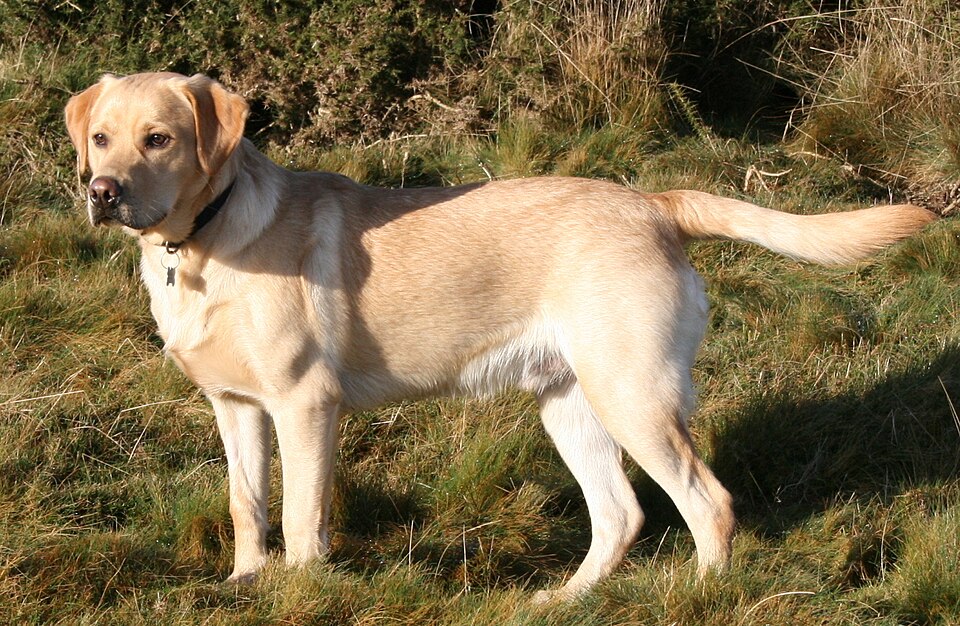
Labrador Retriever
Bred to retrieve fishing nets & game — now the classic family dog.
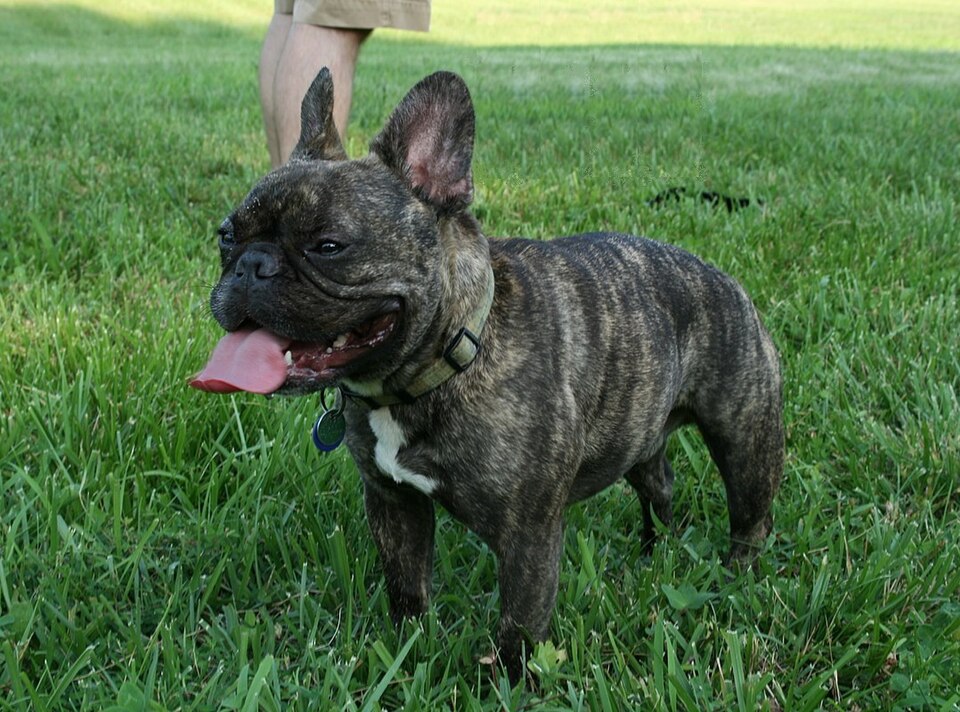
French Bulldog
A miniaturized bulldog turned city-apartment companion.
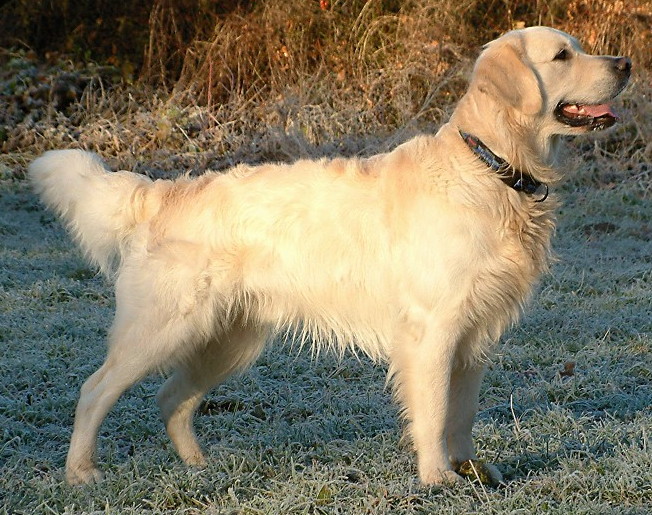
Golden Retriever
A Victorian gundog, now a top assistance & therapy breed.
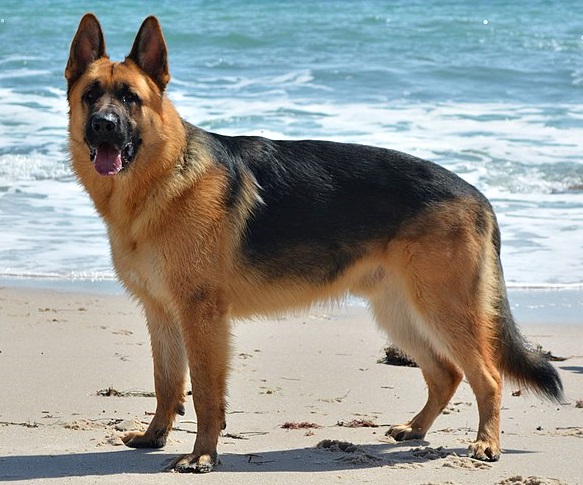
German Shepherd
Standardized in the 1890s for herding; now police & service work.
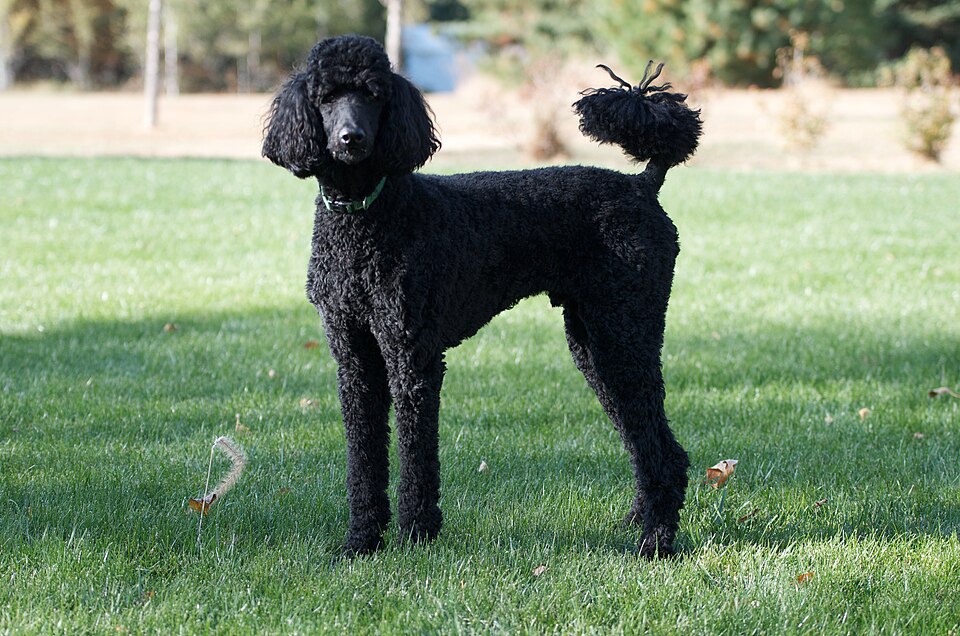
Poodle
Originally a water retriever — now a show staple & doodle parent.
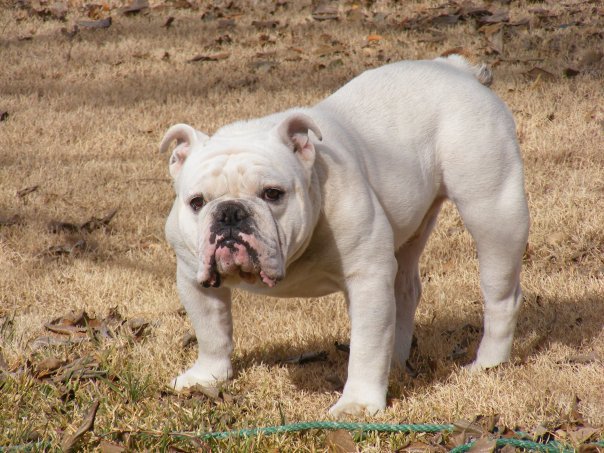
Bulldog
Bred for bull-baiting; reshaped into a placid companion.
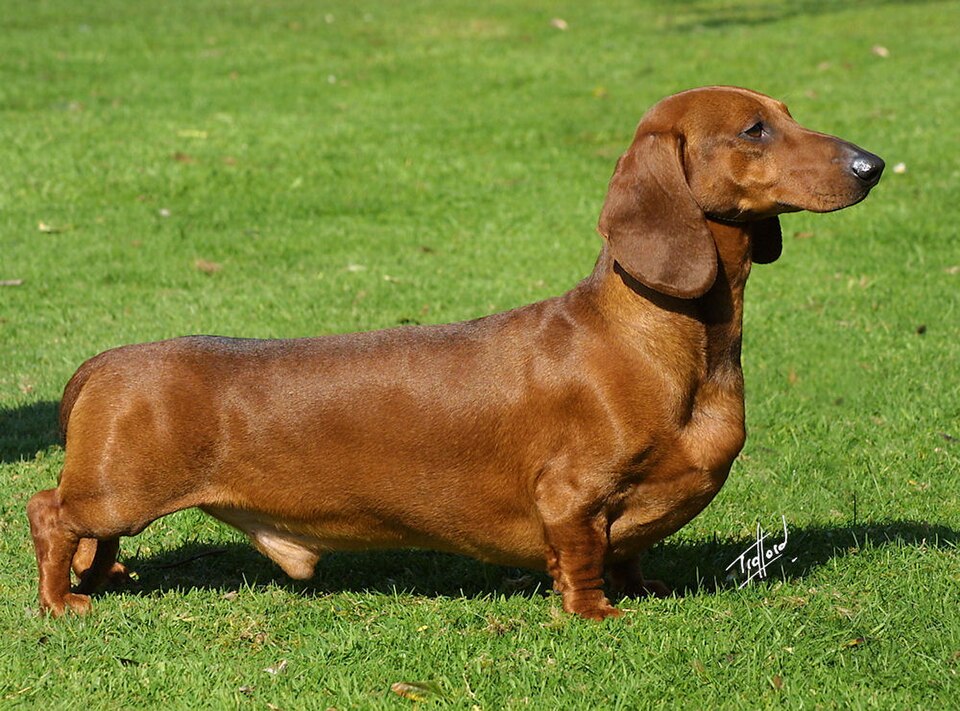
Dachshund
Long body built to hunt badgers underground.
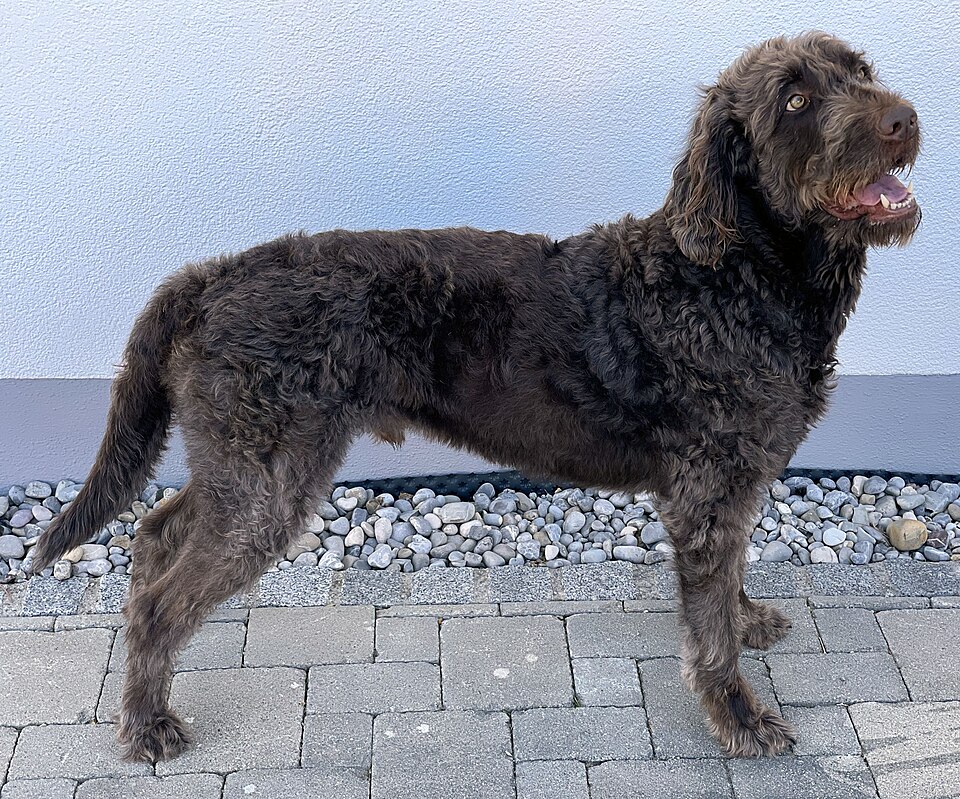
Labradoodle
A modern Lab × Poodle hybrid — the face of the designer era.
Chapter II — Dogs in the Past
Where we came from: before kennel clubs, dogs were defined by the jobs they did. Many of today's breeds descend from these working types — and many others vanished entirely.
Antiquity
Dogs diversify into broad functional types — sighthounds, mastiffs, herders, lapdogs — defined by the work they did, not by paperwork. Types blur and merge across regions.
The Victorian Paradigm Shift
The 19th century invents the modern "breed." Kennel clubs, written standards, stud books, and dog shows freeze fluid types into fixed, pedigreed categories — and quietly discard the rest.
The Great Vanishing
Industrialization erases the jobs many dogs were bred for. An estimated 150 to 250 historical types fade into extinction — surviving only in paintings, letters, and a few preserved pelts.
Two breeds the modern world forgot.
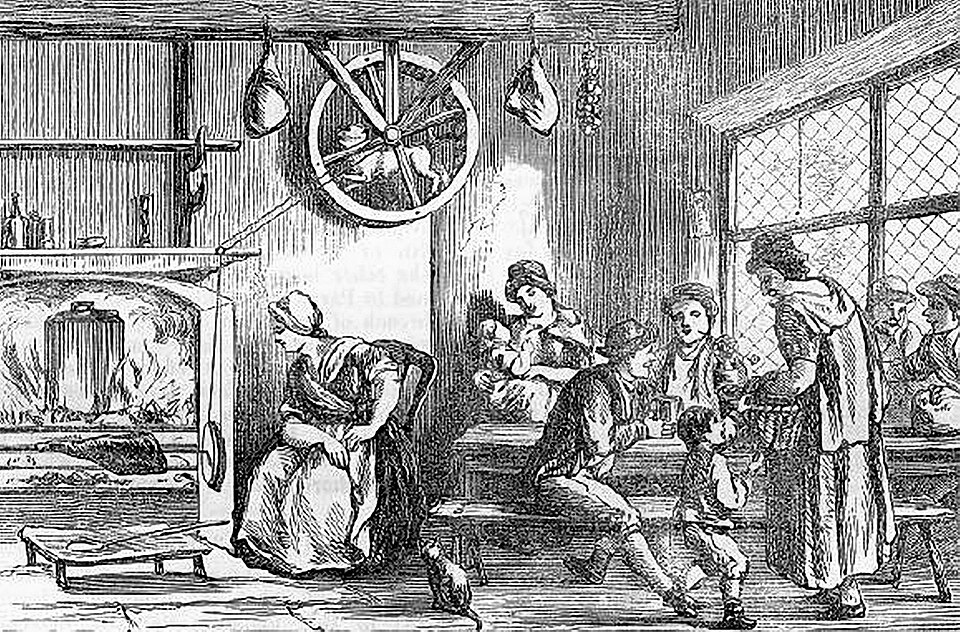
Extinct · c. 1900
A long-bodied, short-legged dog bred to run inside a wheel and turn roasting spits over kitchen fires. When mechanical jacks made the work obsolete, the breed had no purpose — and simply ceased to be bred.
Extinct · early 1900s
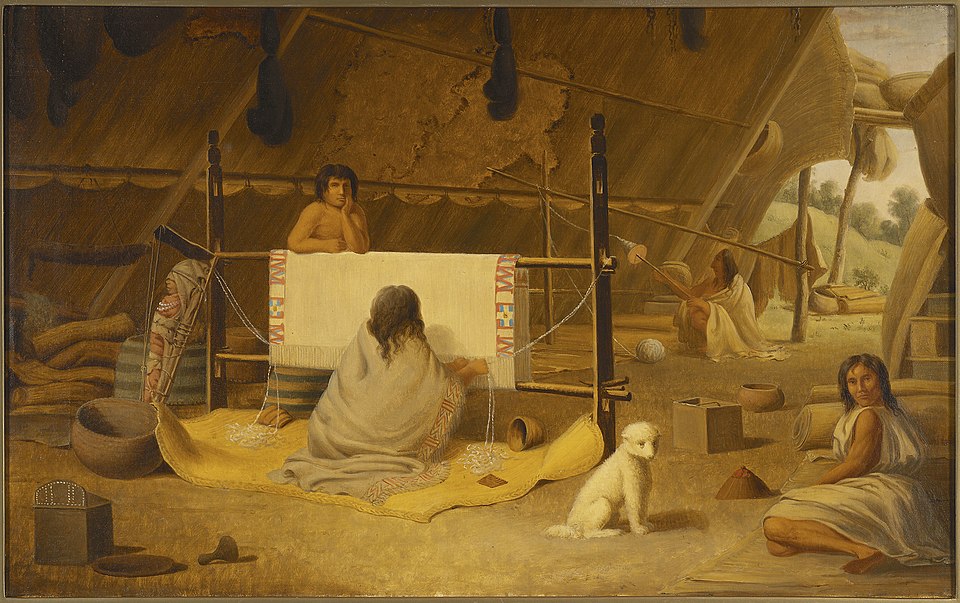
Kept by Coast Salish peoples of the Pacific Northwest, this small white dog was sheared like a sheep, its thick wool woven into prized blankets. The arrival of cheap machine-made textiles ended the tradition — and the breed vanished with it.
The same dogs, reshaped by changing jobs, fashion, and selective breeding.
Bulldog · 1800s
Tall, athletic, and aggressive — bred for bull-baiting.
Bulldog · Today
Stocky, flat-faced, and gentle — a docile companion after the sport was banned.
St. John's Water Dog
A rugged Newfoundland fishing dog that hauled nets from icy water.
Labrador Retriever
Refined into the world's most popular family and assistance dog.
Ancient Herding Dogs
Regional flock-guarding types across the German countryside.
German Shepherd
Standardized in 1899 into a single breed; now a global working dog.
Grey Wolf
The wild ancestor — domesticated over 15,000+ years ago.
Every Dog Alive
From Chihuahua to Great Dane — all descend from this single root.
Chapter III — Dogs in the Future
Where we're heading: designer crossbreeds, function-built hybrids, and DNA-guided breeding — added to every breed that ever lived, the grand total nears a thousand.
0
The Grand Total: roughly 900 to 1,000 distinct dog breeds and landraces have existed alongside humanity.
Labradoodles, Cockapoos, Pomskies — deliberate crosses marketed for temperament, coat, and novelty. Most aren't registry breeds yet, but their popularity is reshaping what the public thinks a "breed" even is.
Beyond fashion, crosses are engineered for performance — hypoallergenic service dogs, hardier working stock, healthier outcrosses that widen narrowed gene pools. Function, once again, drives the dog.
DNA testing, embryo selection, and gene editing promise breeds designed at the molecular level — and raise hard questions about health, ethics, and whether "breed" survives as a meaningful word at all.